

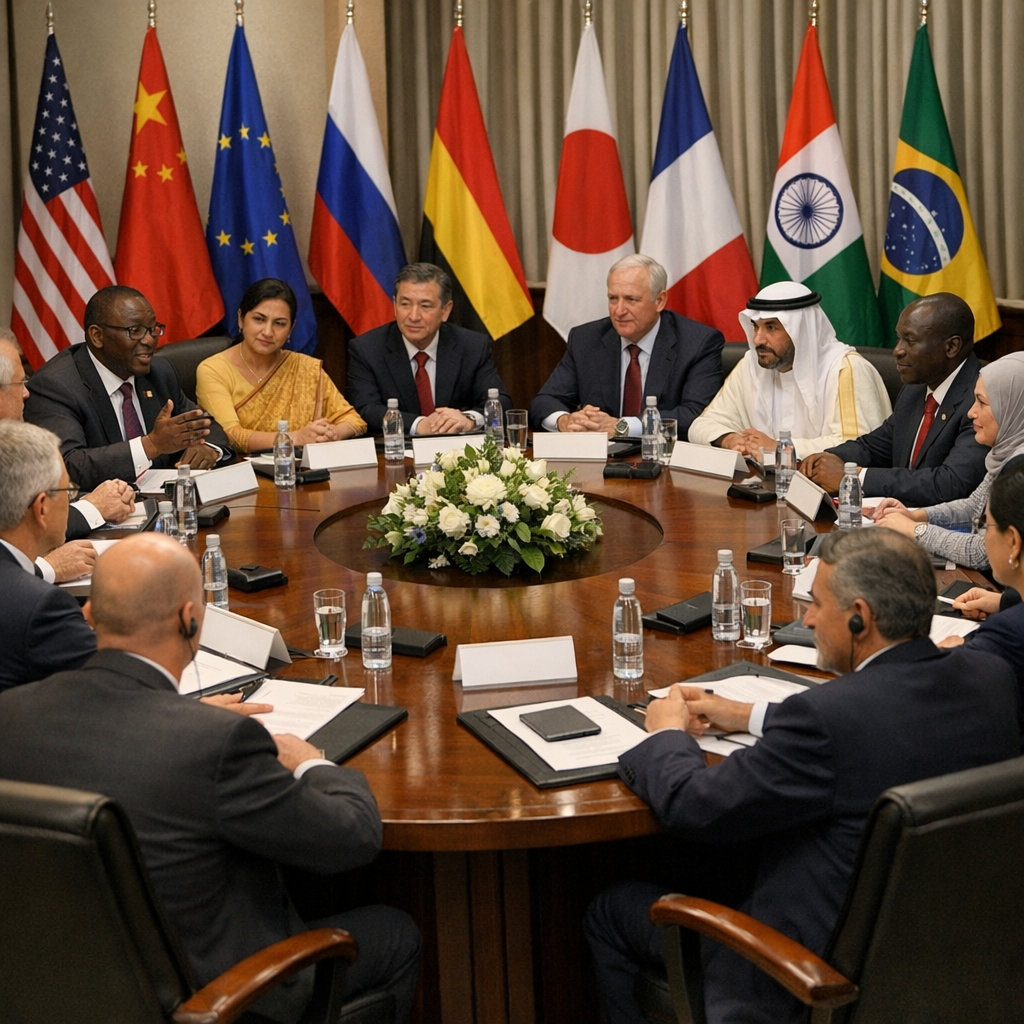
By Emma Garcia — The world today faces a complex blend of ongoing geopolitical conflicts and evolving climate diplomacy. These global developments are deeply connected, shaping everything from international trade to local communities everywhere. Here’s an overview of what’s happening, how it’s changing, and why it matters.
Conflict Across the Middle East
Since early 2026, the Middle East has been embroiled in a broad military escalation involving Iran, the United States, Israel, and Iran-aligned groups in countries including Yemen, Lebanon, Syria, and Iraq. These hostilities have disrupted global trade, especially through the Strait of Hormuz, and damaged critical energy infrastructure. Nations worldwide are watching closely, given the risks of wider instability. Germany, Egypt, and others have called for political settlements to ease tensions and stabilize the region.
Humanitarian and Economic Fallout
These conflicts have sparked severe humanitarian crises: civilian displacement and damage to essential services have surged. Economically, global energy markets are reeling from supply disruptions while countries reliant on oil imports face rising costs. Fragile economies are under intense pressure as trade routes shift and costs ripple across supply chains.
The Rise of Climate Diplomacy Beyond Borders
While traditional multilateral forums like UN climate summits continue, climate diplomacy is becoming more action-oriented and wide-ranging. Key diplomatic efforts increasingly connect environmental change with security, public health, and economic resilience. Witness global leaders pushing renewable energy in vulnerable regions, coalitions forming around implementation more than mere agreements, and mechanisms like carbon pricing getting international attention.
International Carbon Pricing Takes Off
Countries and regions are starting to deploy carbon pricing more broadly to reduce emissions and meet climate goals. The European Union has played a major role in expanding systems that allow governments to trade emissions credits, while global initiatives aim to standardize and enforce compliance in carbon markets.
What This Means for Us
- Supply Chains & Costs: Disruptions in oil and goods flow mean volatility in energy prices and imported goods. Local households and businesses everywhere may feel these effects.
- Security Risks: With conflict zones expanding, regional tensions risk spilling over. Diplomacy matters now more than ever to prevent wider conflagrations.
- Climate Action Now Embedded Everywhere: Climate change is no longer a side concern—it’s central to global diplomacy and national security profiles. This brings opportunities and challenges for policy, funding, and public expectations.
Global tensions and climate diplomacy may feel far from home, but the effects reach all of us. In Ontario, California—as in communities around the world—shifts in energy markets, changes in imported supply goods, and growing awareness of climate-related risks are tangible. Understanding these global forces helps us advocate for resilient policies, sustainable practices, and peace-minded diplomacy.